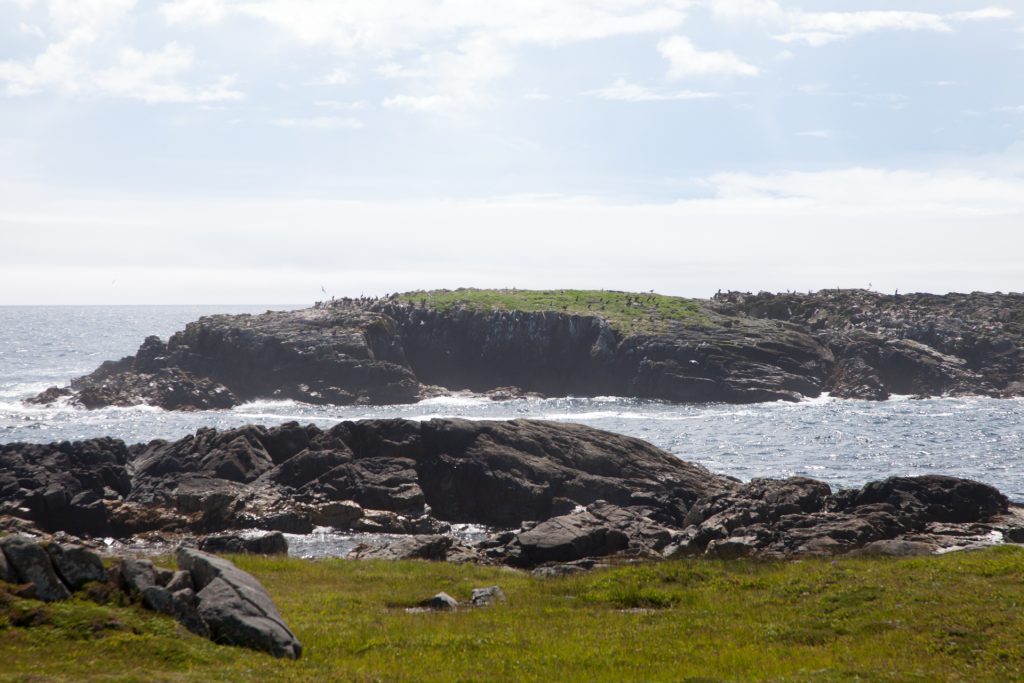
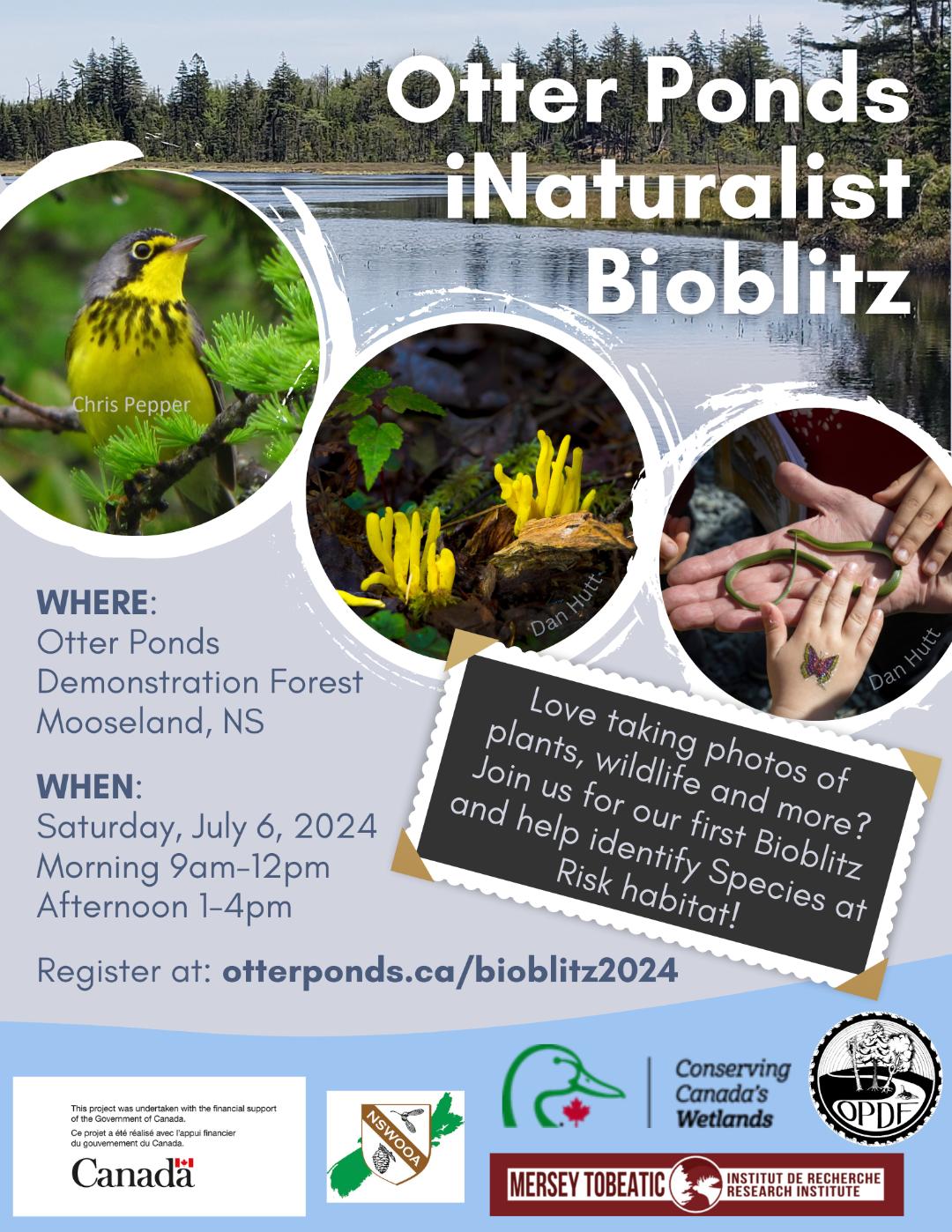
 The Nova Scotia Wild Flora Society shares the concerns of environmentally conscious Nova Scotians on the current government’s reversal on proclaiming the Coastal Protection Act.
There are species at risk plants, ordinary salt water loving plants and habitats such as salt water estuaries and lagoons that will be affected by rising waters, not to mention the effects of storms, flooding and coastal erosion that are being seen already. For example, the current uncontrolled increase in installations of rock walls to save erosion on select properties is resulting in added environmental stress and accelerated erosion on either side of the walls. There are many studies that outline better natural maintenance conformation of beaches and shorelines by none other than Mother Nature herself when left alone!
Without a Coastal Protection Act we are left with an imperfect set of guidelines for residents to follow when wishing to build in coastal areas. In some quarters these guidelines are deemed to be based on outdated information about what is really going on along our coastline. If the Act is not proclaimed, then 49 municipalities – many of whom acknowledge they do not have the staff or the funding or the expertise in coastal matters – are left to devise their own sets of guidelines. This leaves the potential for 49 sets of regulations. We would have a patchwork quilt of regulations that would continue to leave our coastlines at ever increasing risk.
The Nova Scotia Coastal Coalition, the Ecology Action Centre and Nature Nova Scotia have organized a rally to demand that the Nova Scotia government do the right thing and proclaim the Coastal Protection Act to protect our coasts and the communities that rely on them.
Please come out to the Rally for the Coastal Protection Act on Wednesday, May 8 at noon outside the Nova Scotia Legislature (1726 Hollis St., Kjipuktuk/Halifax).
Bring your family, bring your friends, and bring your passion for the coast. We need a really big turnout of people to make sure the message is heard loud and clear. Handmade signs are welcome and encouraged.
Rain date: Thursday, May 9, 12 – 2 p.m.
For more information, contact mimi.ohandley@ecologyaction.ca
Also, the Coastal Protection Act FB page can be found at :https://www.facebook.com/share/Auk6vYzgmZNBtQBQ/?mibextid=A7sQZp

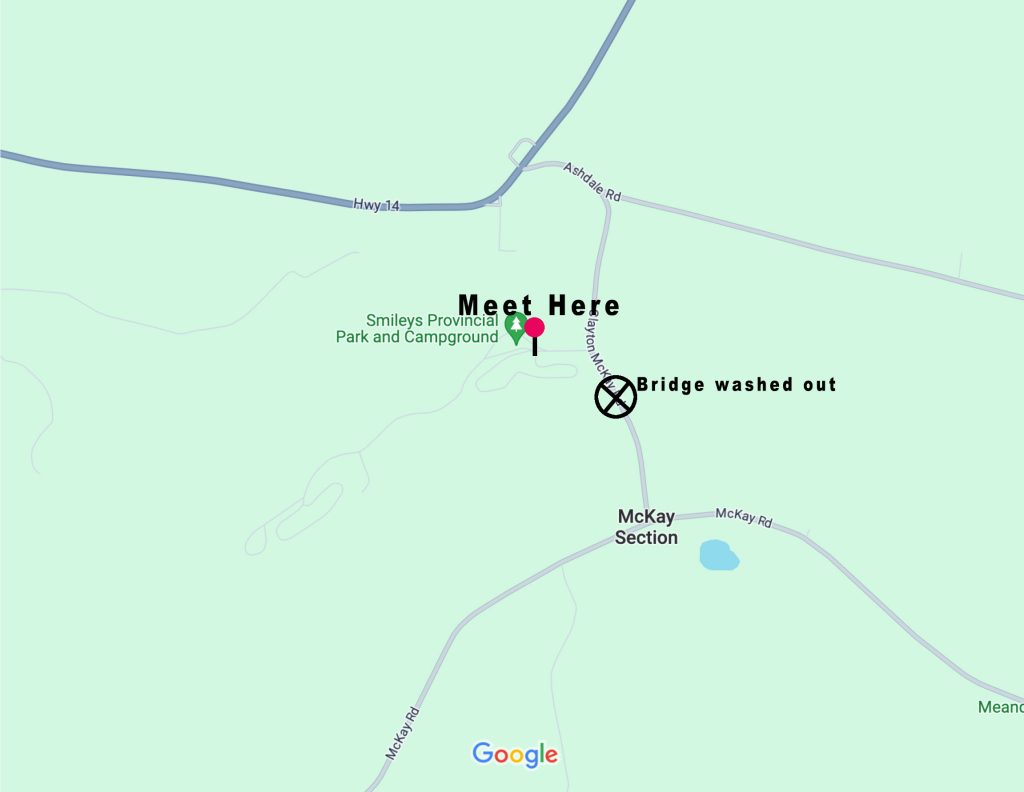
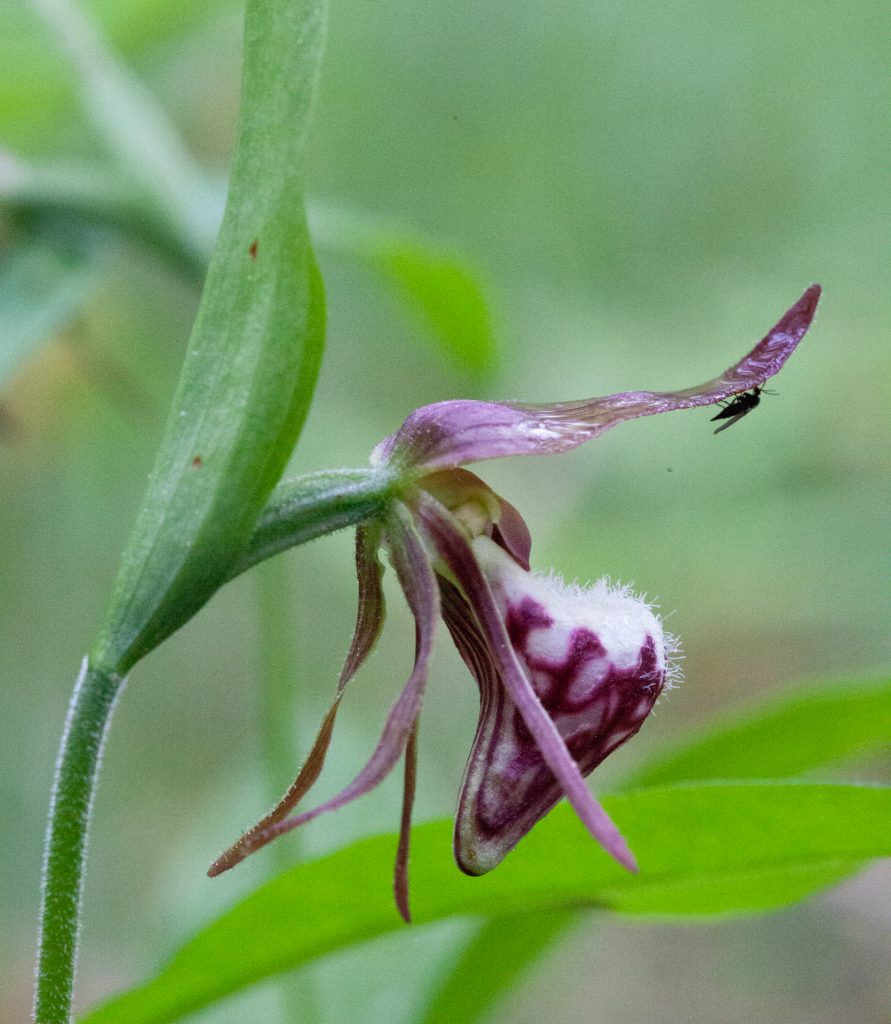 Charles Cron will be leading a field trip to see a colony of Ram’s Head Lady’s Slippers near Windsor on Monday May 20 at 10:00AM. Exit the 101 at Highway 14 to head east towards Brooklyn. Just after exiting the highway, continue to the SECOND parking lot on the right. You will go uphill and there is a marked parking lot with trash containers etc. part way up the hill.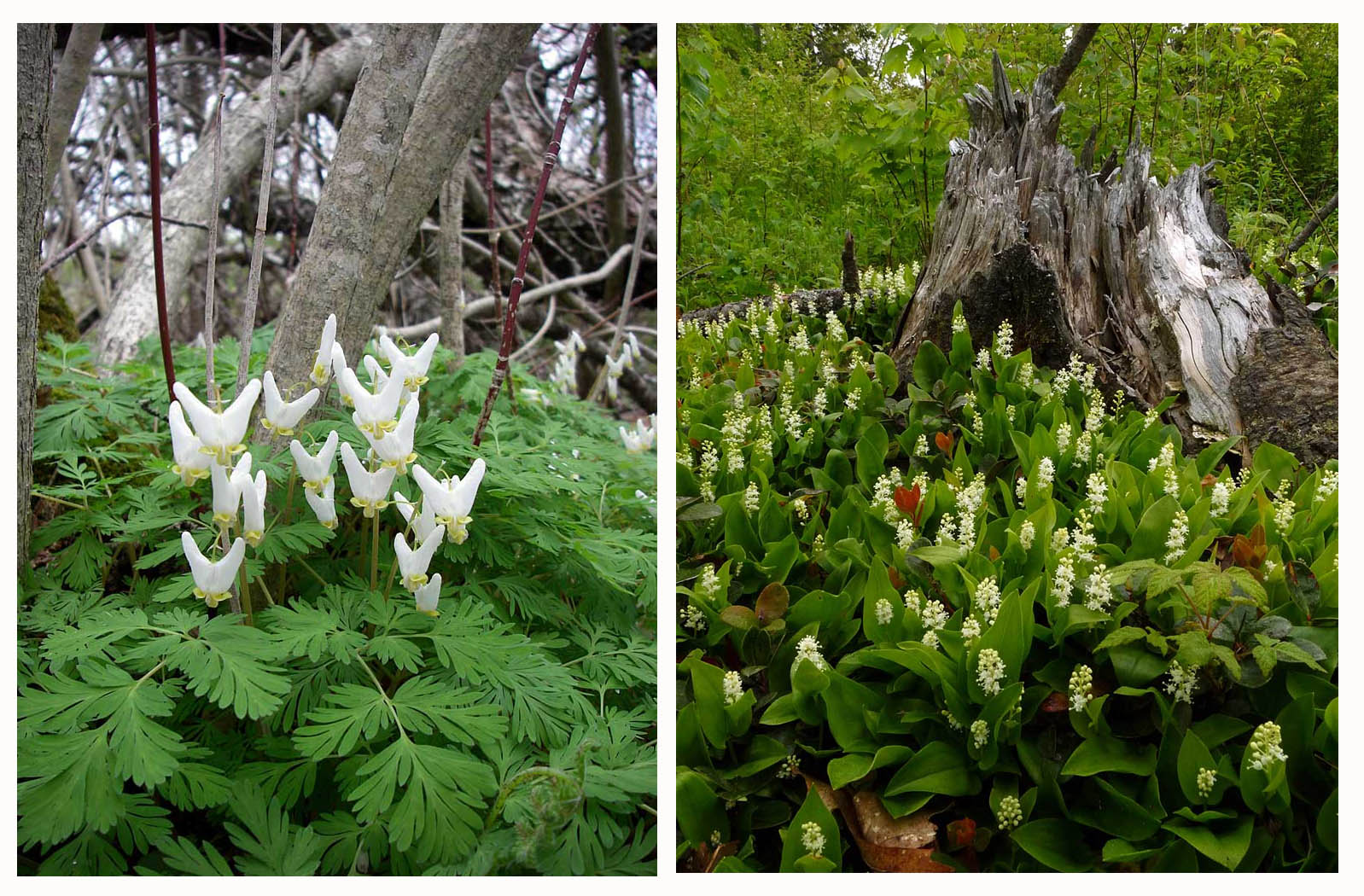

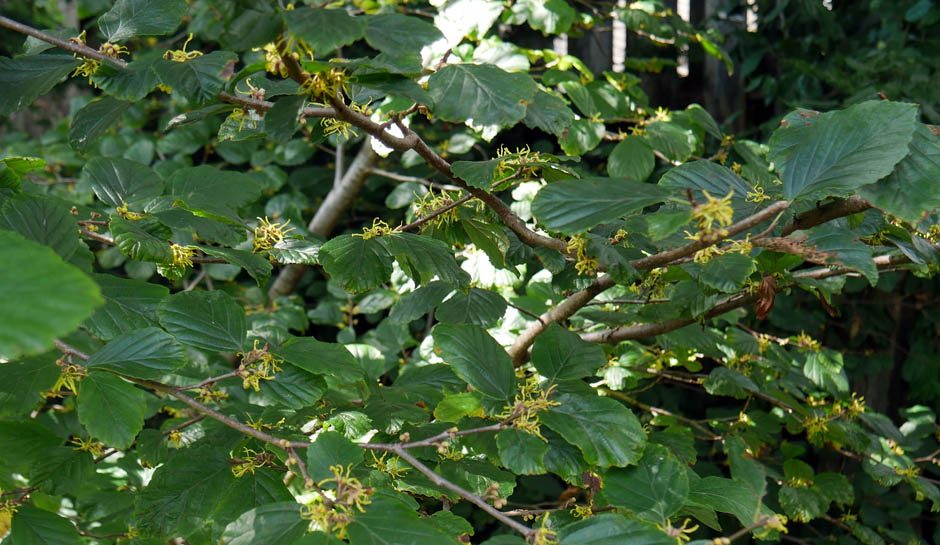
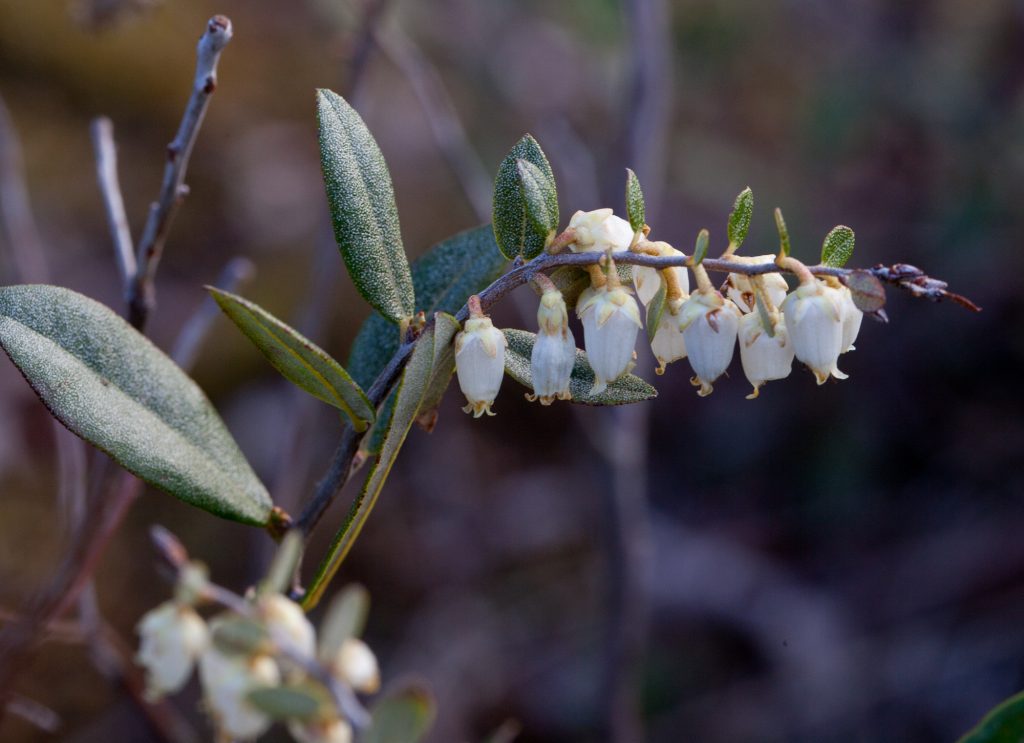 Charlie will be leading a trip to Smiley’s Provincial Park. This is a focused walk to see a Nature Trust property with Hazelnut in bloom and leatherwood shrub in Smiley’s Park as well as the general destruction caused by last year’s flooding. Because the bridge on Clayton Mckay Rd. below the entrance to the park is still washed out, approach only from Ashdale or along Hwy 14 (any direction) and follow road signs to the Park.